

Quick answer
Poliegos is a free-access uninhabited island reached by boat tour from Milos, with most departures scheduled between 09:00 and 12:00 to take advantage of calm morning waters before the afternoon Meltemi winds arrive. The island operates under no formal opening hours since it remains uninhabited year-round, and entrance to its coves and beaches costs 0 EUR. Boat operators recommend the morning departure window for clearer visibility and more protected swimming conditions.
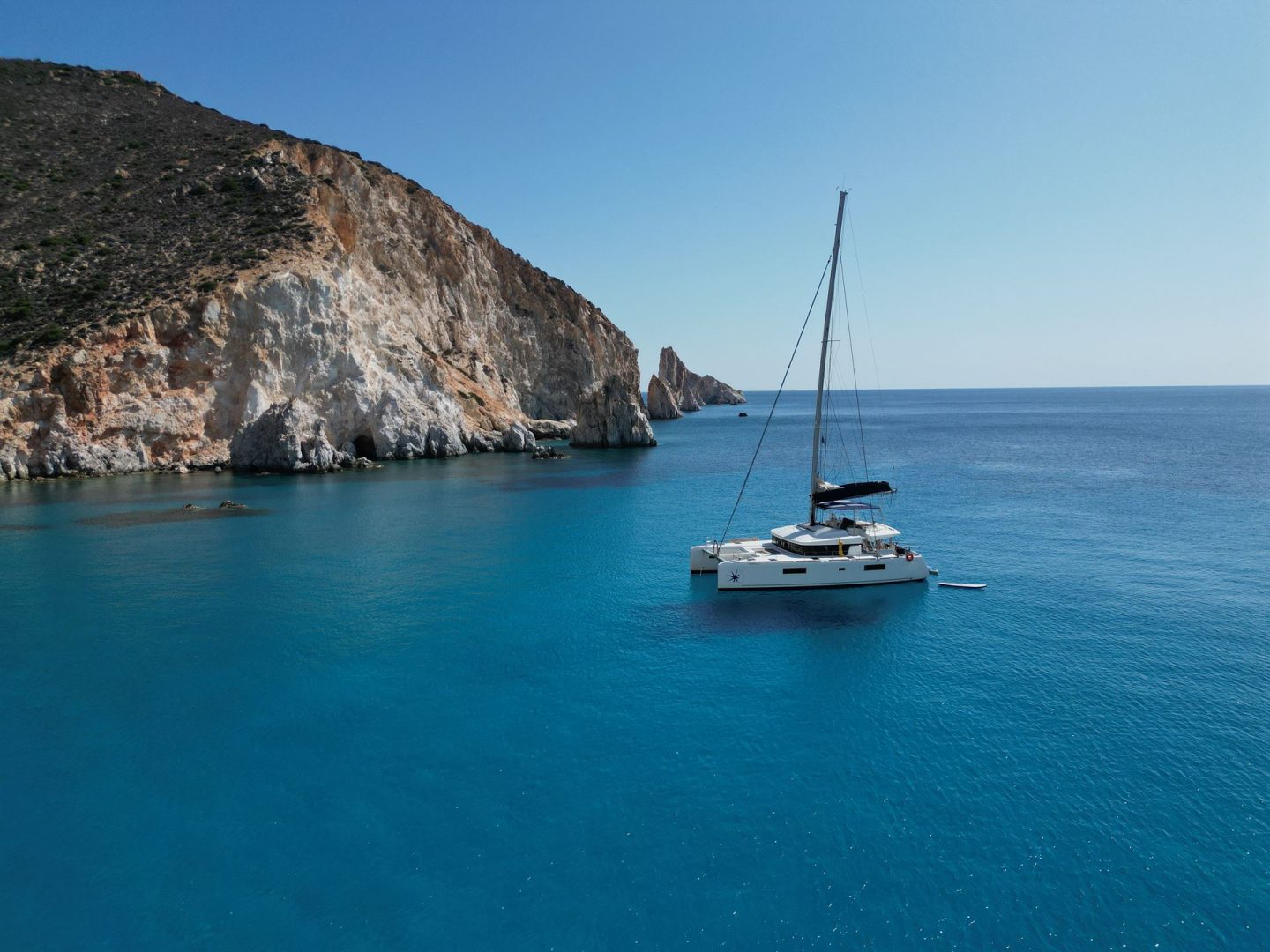
Poliegos holds the distinction of being the largest uninhabited island in the Mediterranean, a 18-square-kilometer limestone formation whose cliffs plunge directly into cobalt water. The island was abandoned in the 1970s after its last mining operations ceased, leaving behind only a small chapel and the stone foundations of shepherd huts. Today the entire landmass belongs to a single private owner, but the coastline remains open to visitors arriving by sea. A milos boat tour poliegos typically anchors at three to five locations around the island's perimeter, with Galazia Nera and Mersini ranking as the most frequent swimming stops. Galazia Nera presents a narrow inlet flanked by volcanic ridges, its name translating to Blue Waters in reference to the cyan gradient visible even from the boat deck. Mersini offers a wider beach backed by tamarisk scrub, though both sites lack shade structures or facilities. Tour operators provide snorkeling gear as standard since the seabed visibility frequently exceeds 25 meters in morning conditions. The northern Aegean wind system dictates the practical timing for these excursions. Meltemi gusts intensify after midday during summer months, creating chop that makes swimming uncomfortable and forces captains to reposition anchors. Departure slots between 09:00 and 12:00 allow boats to reach the island's sheltered southern coves while conditions remain glassy. Full-day tours departing earlier also build in time for a second swimming location on Milos itself, often Kleftiko or Sykia Cave, before returning to port by late afternoon. Poliegos receives no ferry service and maintains no jetty infrastructure, so every visit depends on booking a spot with a licensed tour operator based in Adamas, Pollonia, or occasionally Kimolos. Catamarans and traditional wooden caiques both service the route, with group sizes ranging from eight passengers on private charters to fifty on larger commercial sailings. The island's protected status means anchoring locations shift based on wind direction and sea state, a flexibility that requires experienced local captains to navigate safely.
“Poliegos holds the distinction of being the largest uninhabited island in the Mediterranean, a 18-square-kilometer limestone formation whose cliffs plunge directly into cobalt water.”
Best Time of Day for a Milos Boat Tour to Poliegos
The optimal window for visiting Poliegos is between 09:00 and 12:00. Arriving during this period ensures calmer waters and allows travelers to navigate the area before the onset of the northern Meltemi winds.
June to August
High intensityMeltemi winds increase in afternoons
These months offer the warmest water temperatures but require early departure to avoid wind shifts.
May and September
ModerateMild with average 23°C to 26°C
This period balances comfortable air temperatures with lower visitor numbers compared to peak summer.
Weekday mornings
LowClear waters and minimal wind
Morning departures maximize time in calm conditions before afternoon weather patterns develop.
Verdict: The best time for a boat tour to Poliegos is between 09:00 and 12:00 during the months of June or September to balance favorable weather and manageable wind conditions.
Getting There: How to Reach Poliegos via Milos Boat Tour
Poliegos is an uninhabited island located east of Milos. As there is no public ferry service to the island, visitors must reach it via a boat tour departing from ports such as Adamas or Pollonia.
Group tour from Adamas Port
Private charter from Pollonia
Access Availability for a Milos Boat Tour to Poliegos
Poliegos is an uninhabited island accessible 24 hours a day. However, functional access depends entirely on the operating schedule of local boat tour providers.
| Monday | 00:00–23:59 | |
|---|---|---|
| Tuesday | 00:00–23:59 | |
| Wednesday | 00:00–23:59 | |
| Thursday | 00:00–23:59 | |
| Friday | 00:00–23:59 | |
| Saturday | 00:00–23:59 | |
| Sunday | 00:00–23:59 |
Highlights of a Milos Boat Tour to Poliegos Island
Poliegos Island, an uninhabited volcanic landmass, serves as the primary destination for boat tours originating from Milos due to its preserved geological features. The coastal landscape is defined by extensive white limestone cliffs and deep azure swimming coves.
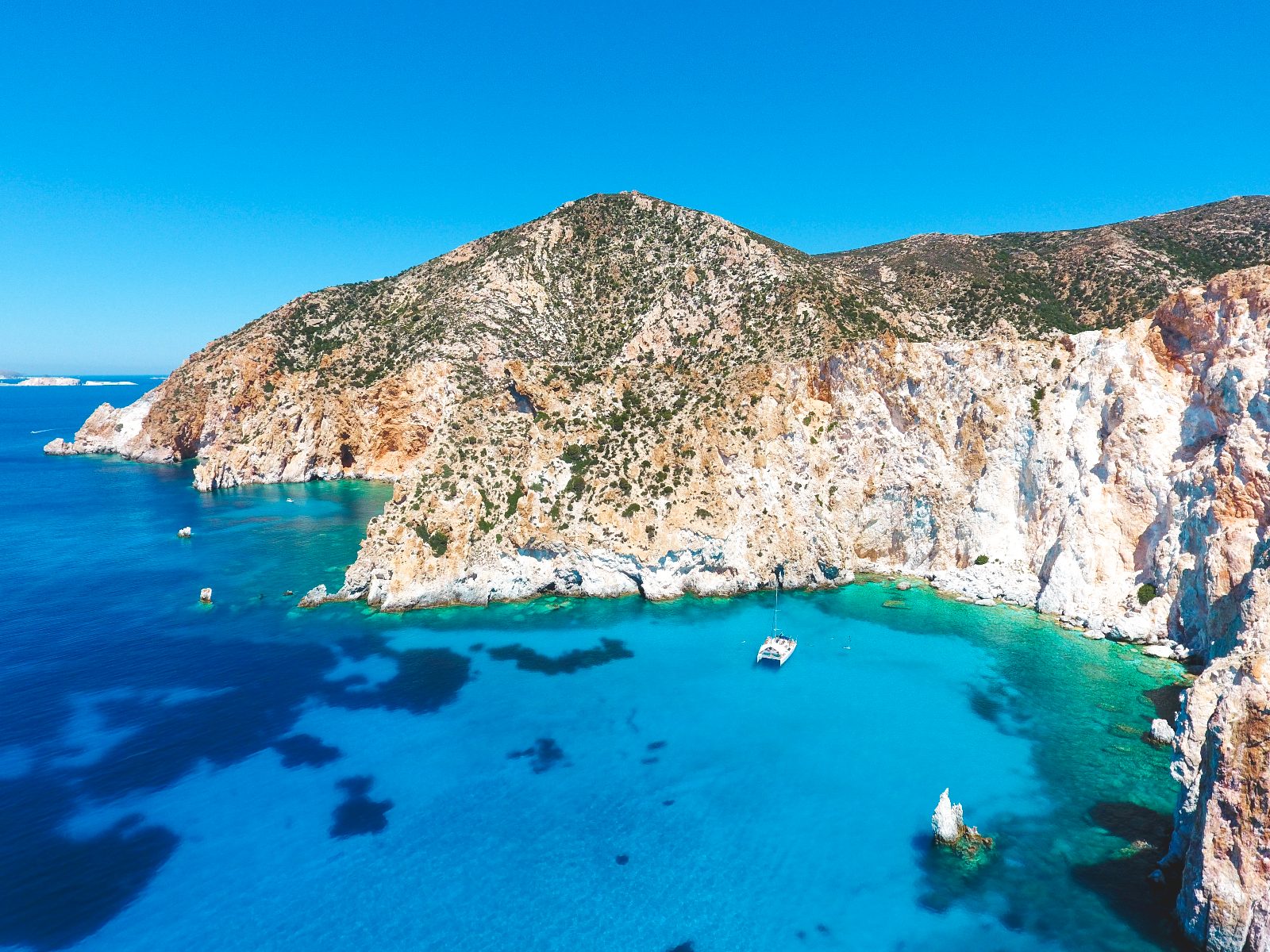
Blue Lagoon
The Blue Lagoon features shallow turquoise waters set against a backdrop of stark white volcanic rock formations. It is the most common swimming stop for boats arriving from Milos.
Anchor near the shallow shelf for clearer views of the seafloor.
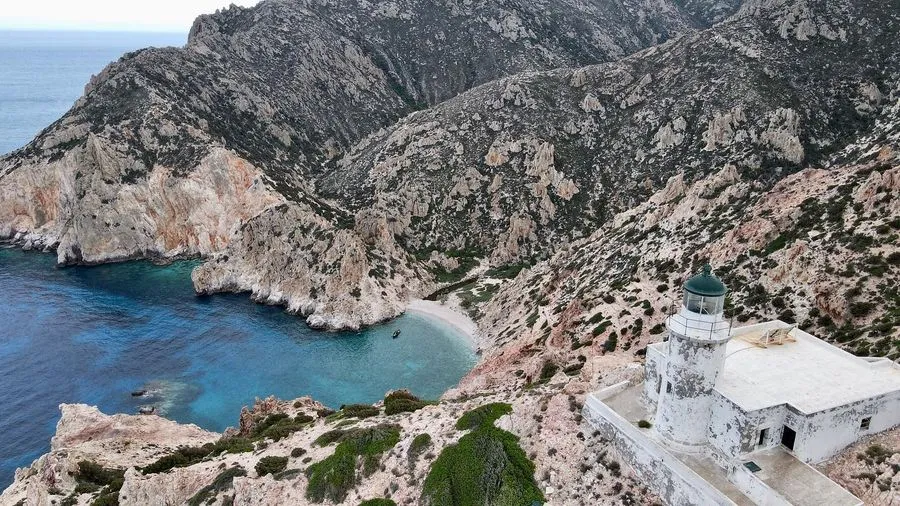
Faros Lighthouse
Located on the eastern side of the island, this abandoned lighthouse stands on a rugged cliff edge. It provides a visual landmark for vessels navigating the strait between Poliegos and Kimolos.
Observe the structure from the deck while approaching the island southern coast.
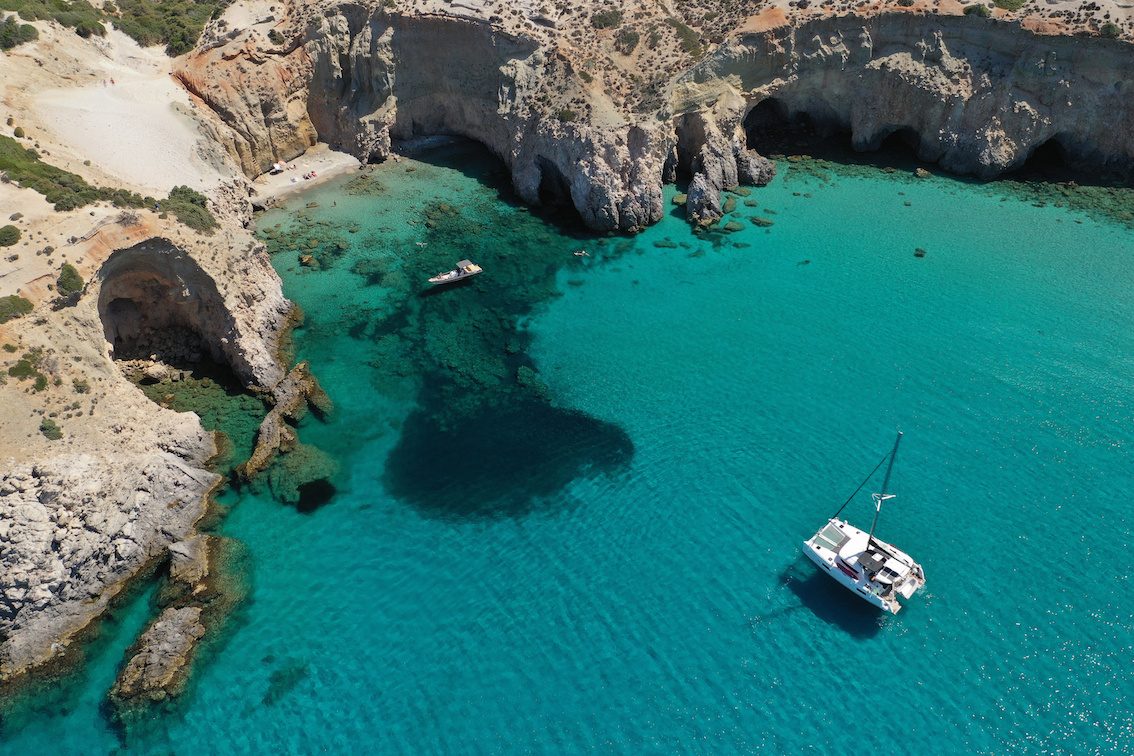
Cave Formations
The island coastline is punctuated by sea caves and caverns formed by the erosion of limestone cliffs. These formations allow boats to enter specific areas for close-range geological observation.
Check with the captain if the boat enters the inner chambers.
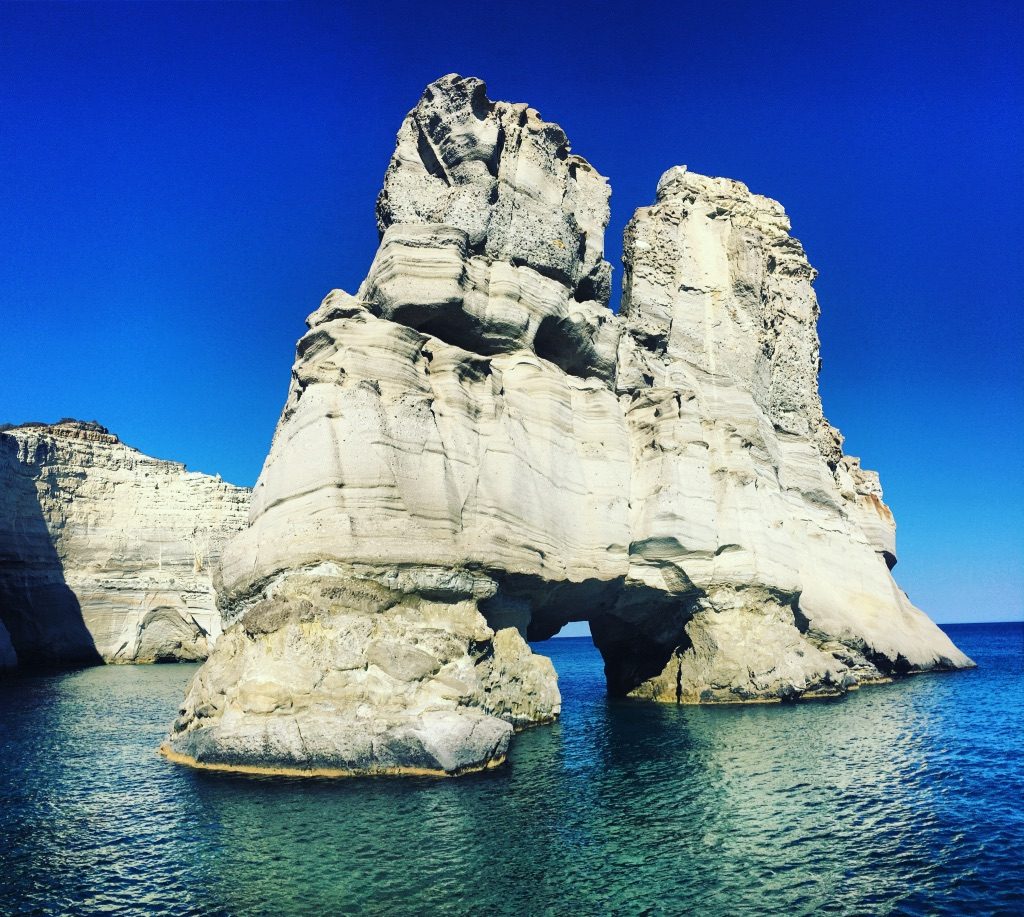
Spotted Rocks
These distinct rock formations display multi-colored mineral layers reflecting the volcanic history of the Cycladic region. The patterns are visible along the sheer cliff faces accessible only by sea.
Use a polarized lens to better see colors through the water.
Check availability
Frequently asked questions about milos boat tour poliegos
Everything you need to know about milos boat tour poliegos